
The legal landscape around workplace sexual harassment is changing. But the bigger question for employers is not simply whether you are compliant with the law. It is whether you can demonstrate that you are genuinely taking meaningful, effective action to prevent sexual harassment from happening in the first place.
For many organisations, the starting point has been policies, procedures and training. These remain important, but they are only part of the picture.
A policy sitting on an intranet does not, by itself, create a safer workplace. Training completed once a year does not necessarily change behaviour. And a reporting process that employees do not trust will not provide meaningful protection.
The real challenge is understanding the risks within your organisation, identifying where your culture may create vulnerability, taking action to address those risks and then evaluating whether those actions are actually making a difference.
That challenge is becoming increasingly important as the legal framework develops.
From “reasonable steps” to “all reasonable steps”
Since 26 October 2024, employers have had a positive legal duty to take reasonable steps to prevent sexual harassment of their workers.
The preventative duty was introduced by the Worker Protection (Amendment of Equality Act 2010) Act 2023. It requires employers to be proactive rather than waiting for an incident or complaint before taking action. The Equality and Human Rights Commission (EHRC) describes the duty as an anticipatory one: employers should assess the risks of sexual harassment occurring and take reasonable steps to prevent it.
This means organisations should be asking questions such as:
• Where could sexual harassment occur within our organisation?
• Who may be particularly exposed to risk?
• What workplace practices, environments or behaviours could increase that risk?
• Are there risks associated with customers, clients, contractors or other third parties?
• Do employees feel confident raising concerns?
• Do managers know how to respond effectively?
• How do we know whether our preventative measures are working?
From 30 October 2026, the legal duty will become more demanding.
The Employment Rights Act 2025 will require employers to take “all reasonable steps” to prevent sexual harassment of their employees. The Government has confirmed that this change will come into force on 30 October 2026.
That small change in wording has potentially significant practical implications.
What does “all reasonable steps” mean?
There is no single checklist that will apply identically to every employer.
What is reasonable will depend on the circumstances of the organisation, including its size, resources, working environment, sector and the risks its workers may face. The EHRC already emphasises that employers should assess their specific risks, identify appropriate preventative measures and implement those that are reasonable in their circumstances.
The important point is that prevention should not be treated as a one-off exercise.
The EHRC guidance states that employers should continually review whether there are further steps they could reasonably take, taking account of changes in the workplace, workforce, risks and the effectiveness of measures already implemented.
So, the question for organisations should not simply be:
“Do we have a sexual harassment policy?”
It should be:
“Can we demonstrate that we understand our risks, have taken appropriate preventative action and are continually reviewing whether what we are doing is effective?”
Policies and training are important – but they are not enough
Policies and training are often the most visible elements of an organisation’s approach to preventing sexual harassment. But effective prevention requires more. An organisation may have a comprehensive policy and mandatory training in place, yet still have significant gaps in its approach.
For example:
• Are employees confident that concerns will be taken seriously?
• Do managers understand what they are expected to do when concerns are raised?
• Are informal behaviours and workplace cultures creating risk?
• Are there particular teams, locations, working patterns or environments where risk is higher?
• Are employees exposed to inappropriate behaviour from customers, clients or other third parties?
• Does the organisation understand what its people are experiencing?
• Are incidents and concerns being analysed for patterns and themes?
• Is the organisation evaluating whether its interventions are effective?
• Is senior leadership actively engaged in creating a safer culture?
These are the questions that move an organisation from having measures in place to actively managing risk.
The EHRC’s guidance specifically highlights risk assessment, policies, training, communication, engagement with staff and monitoring the effectiveness of preventative measures as part of an effective approach.
Third-party harassment: don’t overlook the risk
Another important development from 30 October 2026 concerns harassment by third parties.
The Employment Rights Act 2025 introduces a new provision under which an employer must not permit a third party to harass an employee where the employer has failed to take all reasonable steps to prevent the harassment. The legislation defines a third party as someone other than the employer or one of its employees. For organisations, this means looking beyond relationships between colleagues.
Depending on the nature of the organisation and its working environment, third-party risks could arise through interactions with customers, clients, contractors, suppliers, service users or other people employees encounter as part of their work.
The right question is therefore:
Where could our people experience harassment as part of their work? – and what are we doing to prevent it?
The importance of understanding your starting point
With October 2026 approaching, now is an opportunity for organisations to step back and take an honest look at their current approach.
Not simply:
“Are we compliant?”
But:
“How mature is our approach to preventing sexual harassment?”
Understanding your starting point is essential. You need to know what is working, where the gaps are and which areas require further attention. A meaningful assessment should consider more than whether policies and training exist. It should look at the wider organisational culture, risk environment, leadership, reporting mechanisms, workforce experience and the effectiveness of preventative measures. This is where a structured risk assessment can help.
How LimeCulture can support you
At LimeCulture, we work with organisations of all shapes and sizes to understand their current position, identify areas of risk and develop practical, sustainable approaches to preventing sexual misconduct and creating safer cultures. Our approach is focused on moving beyond compliance alone.
We help organisations consider what is happening in practice, where vulnerabilities may exist and what meaningful action could look like in their particular context.
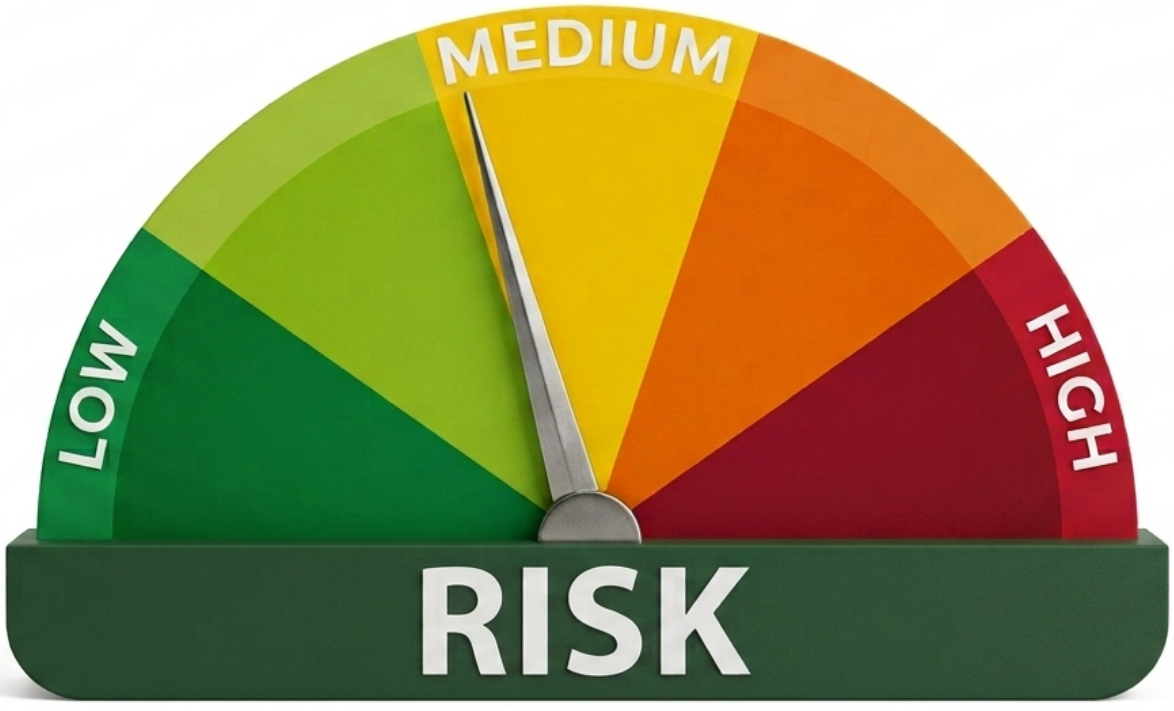
Our FREE Employers Sexual Harassment Risk Assessment provides an opportunity to take stock of your current approach and identify areas where further action may be needed.
Take the LimeCulture Employers Sexual Harassment Risk Assessment to understand your current position and identify where you may need to strengthen your approach.
If you would like to talk to us about your organisation’s approach, get in touch with LimeCulture.
We can help you understand the risks, navigate the changing legal landscape and take practical steps towards creating a safer culture.
📞 0203 633 0018
📧 info@limeculture.co.uk
🌐 www.limeculture.co.uk
This article provides general information about changes to workplace harassment law and is not intended to constitute legal advice. Organisations should obtain appropriate legal advice on their individual circumstances.
Discover more from LimeCulture
Subscribe to get the latest posts sent to your email.